
Safety, Sustainability & Skill Development in the Maritime Industry
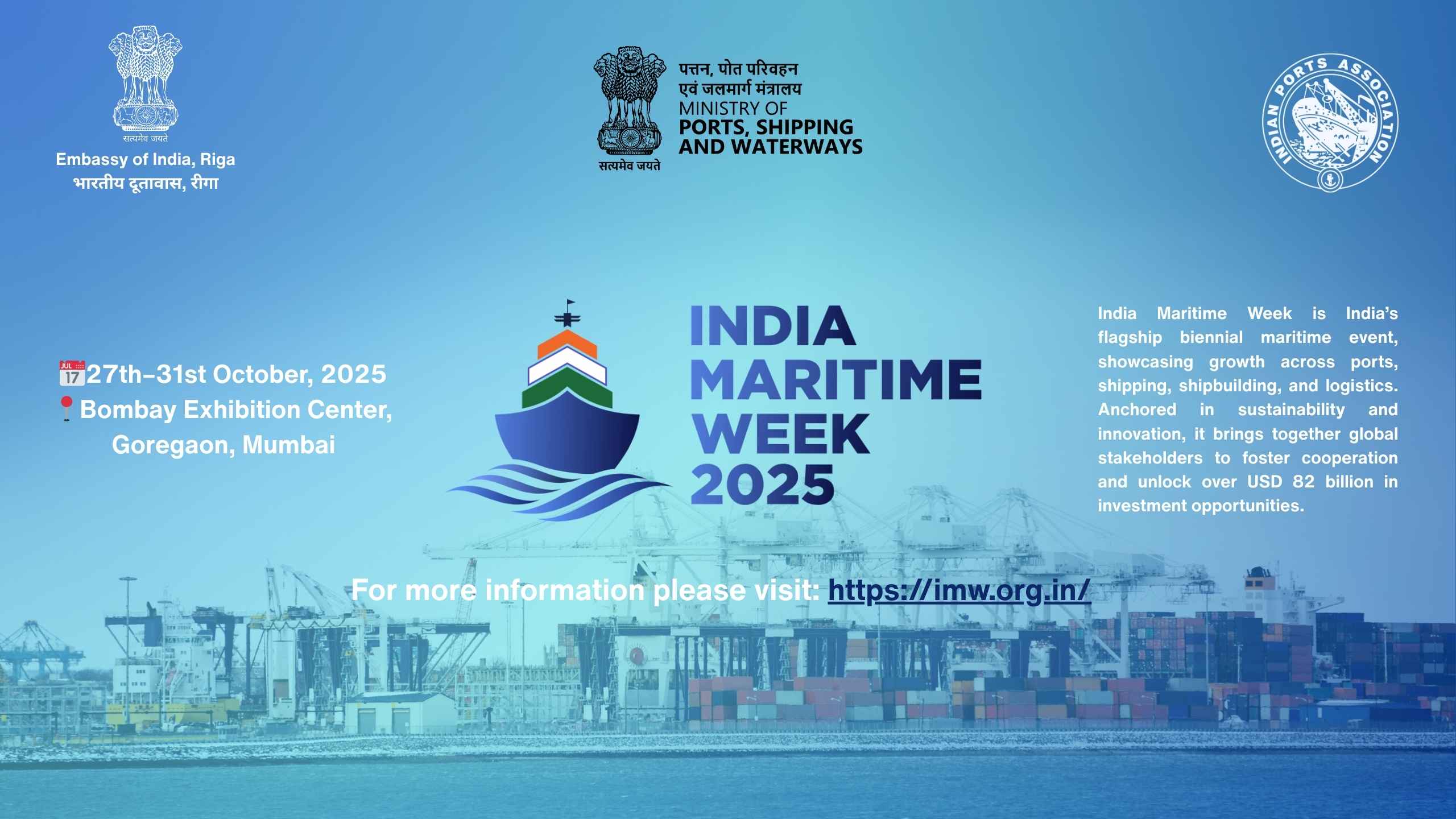
Every year, India Maritime Week serves as a proud reminder of the nation’s strong maritime heritage and its growing role in global shipping and seafaring. The week emphasizes the three essential pillars shaping the future of the maritime industry — Safety, Sustainability, and Skill Development. Together, they define the course toward a safer, greener, and more competent maritime ecosystem.
Safety: The Heart of Maritime Operations
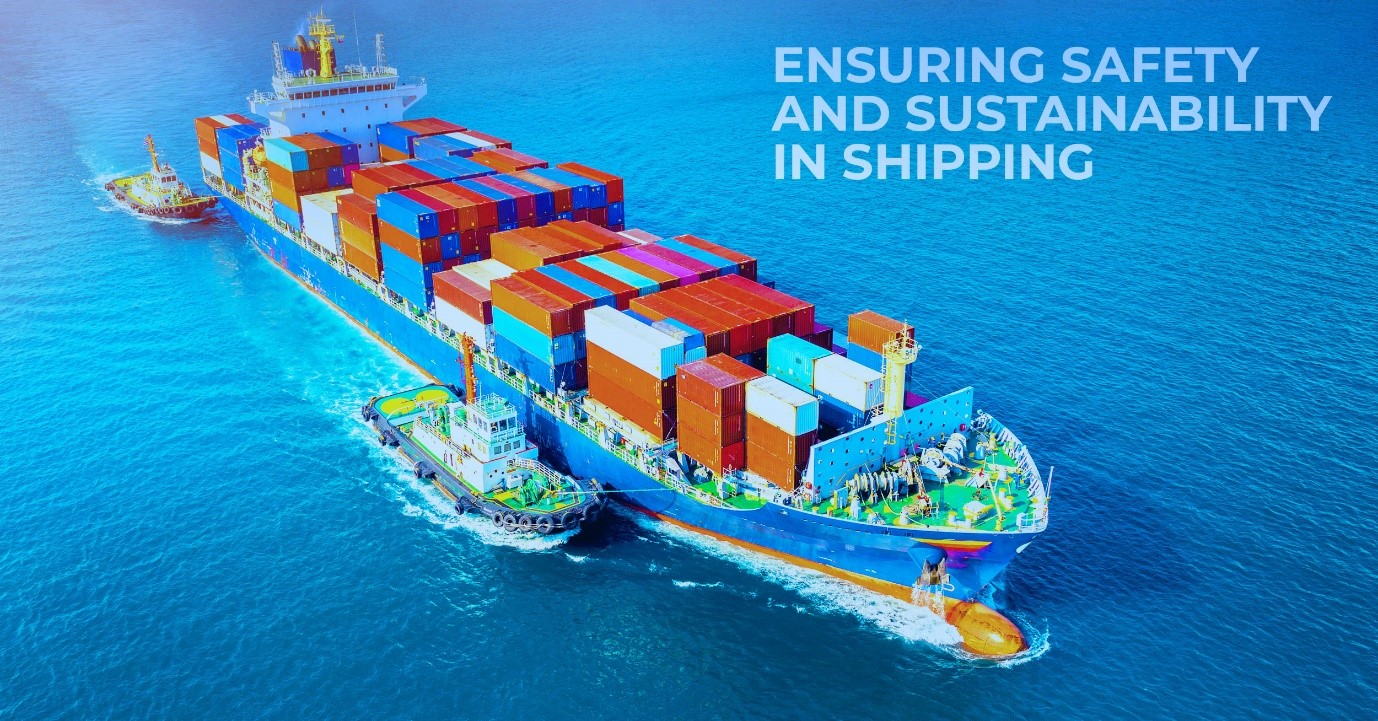
Safety is the foundation of maritime excellence. At sea, every decision matters — whether it’s navigation, machinery maintenance, or cargo handling. Ensuring crew safety requires strict adherence to international regulations, continuous training, and technological innovation. • Regular safety drills and emergency preparedness programs build confidence and competence among seafarers. • Implementation of IMO and STCW standards ensures that all maritime professionals operate within global best practices. • The growing use of digital monitoring systems and AI-assisted navigation also enhances situational awareness and reduces human error. A culture of safety isn’t just a rule — it’s a responsibility shared by every individual on board and on shore.
Sustainability: Sailing Toward a Greener Future
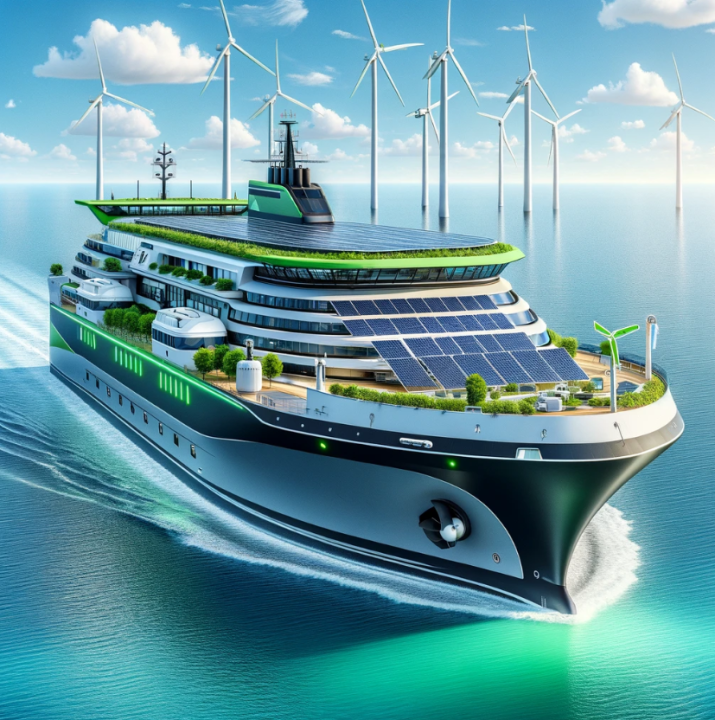
The maritime industry plays a vital role in global trade — but also faces the challenge of reducing its environmental footprint. Today’s maritime vision goes beyond profit — it seeks sustainability through innovation. • Energy-efficient vessels and low-emission fuels are transforming fleet operations. • Ballast water management, waste reduction, and green port initiatives are promoting eco-friendly practices. • The introduction of wind-assisted propulsion and electric-hybrid technologies reflects a growing commitment to cleaner oceans. India, through initiatives under ‘Maritime India Vision 2030’, continues to focus on sustainable infrastructure and renewable practices — ensuring our seas remain vibrant and life-sustaining for generations to come.
Skill Development: Empowering the Maritime Workforce
The future of maritime excellence depends on skilled and adaptive seafarers. As technology reshapes shipping, training institutions and academies across India are equipping cadets with cutting-edge knowledge and practical exposure. • Courses in automation, simulation, and marine engineering prepare students for modern challenges. • Continuous professional development ensures that mariners remain competent in an evolving digital era. • Programs supported by the Directorate General of Shipping and Skill India initiatives aim to create a globally competitive maritime workforce.
Charting the Course Ahead
As India continues to expand its maritime horizons, the integration of safety, sustainability, and skill development remains at the core of progress. Together, they form the compass guiding the nation toward a secure, eco-conscious, and skilled maritime future. Let us celebrate India Maritime Week by reaffirming our commitment to these values — ensuring that India’s maritime legacy continues to inspire, innovate, and lead the world’s oceans with pride.
Join the Maritime Revolution with Pondicherry Maritime Academy
The future of maritime excellence begins with a decision—your decision to invest in world-class training that opens doors to rewarding international careers whilst contributing to a safer, more sustainable maritime industry.
The Economic & Social Impact
The maritime sector's influence extends far beyond ships and ports—it represents a critical pillar of economic development and social progress. Pondicherry Maritime Academy's role in this ecosystem generates ripple effects throughout Indian society and the global economy.
Innovation & Future Readiness at PMAInnovation & Future Readiness at PMA
In an industry experiencing rapid technological transformation, Pondicherry Maritime Academy refuses to remain static. The institution continuously evolves its curriculum to prepare students for the maritime sector's digital future.
The Global Maritime Landscape in 2025
The maritime industry stands at a critical juncture in 2025, serving as the backbone of global commerce. With over 90,000 commercial vessels navigating the world's oceans, the sector is responsible for transporting approximately 80% of international trade. This massive fleet operates in an increasingly complex environment characterised by rapid technological advancement, stringent environmental regulations, and evolving cybersecurity threats. Modern vessels now incorporate AI-driven navigation systems, sophisticated automation, and digital connectivity that demand new skill sets from maritime professionals. The industry faces an urgent challenge: developing a workforce equipped with cutting-edge technical knowledge whilst maintaining unwavering commitment to safety protocols and environmental stewardship. This demand for skilled professionals who understand both traditional seamanship and emerging technologies has never been more critical.
"We don't just train seafarers; we cultivate environmental stewards who understand their responsibility to protect our oceans for future generations."
Conclusion
“Safety isn’t a choice at sea — it’s a way of life.” “Let’s sail smart — for the planet and the generations ahead.” “Training builds confidence; knowledge builds the future.”


